May Chang
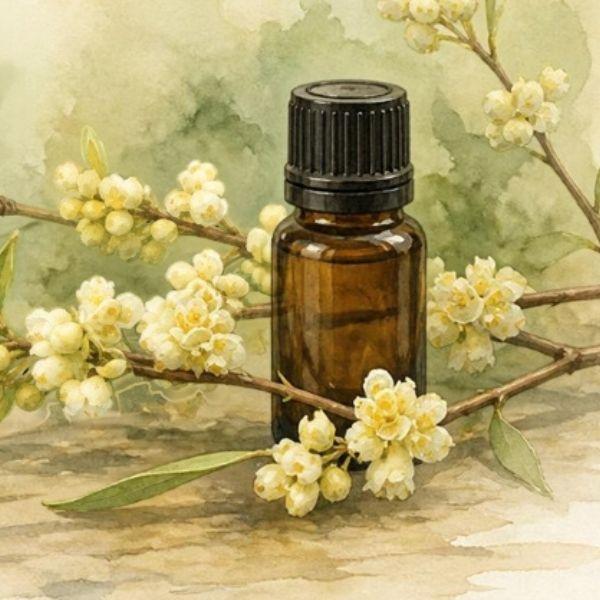
May Chang Essential Oil, also known as Litsea Cubeba Essential Oil, is a bright, citrus-scented botanical oil derived from the small, pepper-like fruits of the Litsea cubeba tree.
May Chang Essential Oil, also known as Litsea Cubeba Essential Oil, is a bright, citrus-scented botanical oil derived from the small, pepper-like fruits of the Litsea cubeba tree. Native to parts of East and Southeast Asia, May Chang is prized for its fresh, lemony fragrance with soft, sweet, and slightly herbal undertones. Commonly used in aromatherapy, natural perfumes, and botanical skin care, this essential oil brings a cheerful, refreshing aroma to everyday self-care routines.
May Chang Essential Oil comes from the aromatic fruits of the Litsea cubeba tree, a member of the Lauraceae (laurel) family. The tree produces small, round fruits that contain naturally occurring volatile aromatic compounds. Through steam distillation, these compounds are collected to create a concentrated essential oil.
Traditionally valued in parts of Asia for its fragrance and botanical uses, May Chang has become a popular ingredient in natural personal care products. Its cheerful citrus aroma makes it especially appealing in soaps, lotions, body oils, perfumes, and other naturally scented formulations.
You Might Need May Chang Essential Oil...
If you love the fresh scent of citrus or enjoy incorporating uplifting botanical fragrances into your daily routine, May Chang Essential Oil may be a wonderful addition to your natural body care collection.
Its bright, lemony aroma brings a refreshing touch to everyday self-care, whether you're starting your morning with an invigorating shower or enjoying a beautifully scented lotion.
Some people especially enjoy May Chang for its:
Fresh, sweet, lemon-like fragrance
Bright and uplifting aromatic character
Naturally occurring citrus-scented compounds
Ability to complement floral and herbal fragrances
Versatility in botanical skin care and personal care products
Concentrated aroma that requires only small amounts
May Chang is especially appealing to those who enjoy citrus fragrances but want to explore botanical oils beyond traditional lemon, orange, and grapefruit essential oils.
What is May Chang Essential Oil?
May Chang (Litsea cubeba) is a small evergreen or deciduous tree or shrub native to subtropical regions of Asia, including parts of China, India, and Southeast Asia. It belongs to the Lauraceae family, which also includes cinnamon, bay laurel, and avocado.
The plant produces small, fragrant flowers followed by round, pepper-like fruits. These fruits are harvested and commonly steam-distilled to produce May Chang Essential Oil.
The oil is especially rich in citral, a naturally occurring aromatic compound made up of two components called geranial and neral. These compounds give May Chang its distinctive lemon-like fragrance.
Although May Chang smells similar to lemongrass and lemon, it is botanically different from both. Its fragrance is often described as sweeter, softer, and more rounded than traditional lemon essential oil.
Frequently Asked Questions
What does May Chang Essential Oil smell like?
May Chang has a bright, sweet, lemony fragrance with subtle floral and herbal undertones. Its aroma is often compared to lemon and lemongrass, although many people find May Chang slightly softer and sweeter.
What is May Chang Essential Oil used for?
May Chang is commonly used in natural perfumes, soaps, lotions, body oils, aromatic blends, and other personal care products. It is especially valued for its refreshing citrus fragrance.
Is May Chang the same as Litsea cubeba?
Yes! May Chang and Litsea cubeba refer to the same botanical plant. Litsea cubeba is the scientific name, while May Chang is one of its common names.
Is May Chang Essential Oil the same as lemongrass oil?
No. May Chang comes from the fruits of the Litsea cubeba tree, while lemongrass essential oil comes from plants in the Cymbopogon genus. Both contain citral, which gives them similar lemon-like fragrances, but they are botanically distinct oils.
Does May Chang Essential Oil contain real lemon?
No. May Chang's lemon-like fragrance comes naturally from aromatic compounds in the Litsea cubeba plant, especially citral. It does not need to contain lemon fruit or lemon peel oil to smell citrusy.
Can May Chang Essential Oil be used in skin care?
Yes. May Chang is used in properly formulated lotions, creams, soaps, and body oils to provide a fresh botanical fragrance. Because it contains a high concentration of citral, it must be appropriately diluted to reduce the risk of skin irritation or sensitization.
Is May Chang Essential Oil good for aromatherapy?
May Chang is commonly used in aromatherapy because of its bright, refreshing scent. Many people enjoy its cheerful citrus fragrance as part of their everyday relaxation and self-care routines. These sensory preferences do not establish that the oil treats stress, anxiety, or other medical conditions.
Is May Chang Essential Oil phototoxic?
May Chang is not generally considered a classic phototoxic citrus oil like some expressed citrus peel oils. However, its phototoxic potential has been investigated, and safety depends on the composition and concentration of the oil. Proper dilution and finished-product safety evaluation remain important.
Can May Chang Essential Oil be applied directly to the skin?
No. May Chang Essential Oil is highly concentrated and should be diluted appropriately before topical use. Undiluted application increases the risk of skin irritation and allergic reactions.
Is May Chang Essential Oil safe to ingest?
May Chang Essential Oil intended for aromatherapy or cosmetic use should not be ingested. Concentrated essential oils are different from culinary herbs and should not be treated as food or dietary supplements.
May Chang Compared to Other Citrus-Scented Essential Oils
May Chang (Litsea cubeba): A bright, sweet, lemon-like essential oil typically distilled from small fruits.
Lemongrass (Cymbopogon citratus or Cymbopogon flexuosus): A grassy, lemon-scented essential oil obtained from aromatic grasses.
Lemon (Citrus limon): A fresh, sharp citrus oil commonly expressed from lemon peels.
Lemon Myrtle (Backhousia citriodora): An intensely lemon-scented botanical oil derived from an Australian native plant.
Although these oils share some aromatic characteristics, they come from different plants and have distinct chemical compositions and safety considerations.
Benefits of May Chang Essential Oil
Naturally refreshing fragrance: May Chang provides a bright, sweet citrus aroma that brings a fresh, cheerful character to botanical skin care and personal care products.
Enhances self-care routines: Its uplifting scent makes May Chang a popular choice for morning showers, body care, and other refreshing daily rituals.
Plant-derived fragrance: May Chang provides a naturally occurring lemon-like aroma without requiring synthetic lemon fragrance.
Versatile in botanical formulations: Its concentrated aromatic compounds make it useful in soaps, lotions, body oils, and natural perfumes when formulated at appropriate concentrations.
Complements other botanical scents: May Chang blends beautifully with floral, herbal, and woody fragrances, adding a bright citrus note to more complex aromatic combinations.
Naturally occurring aromatic compounds: May Chang contains citral, limonene, and other plant-derived compounds that contribute to its distinctive fragrance. These compounds have also been investigated in laboratory research, although laboratory findings do not establish health benefits from ordinary cosmetic use.
Common Ways to Use May Chang Essential Oil
Natural Perfumes: May Chang contributes a fresh, sweet citrus note to botanical fragrance blends.
Lotions and Creams: When used at appropriate concentrations, May Chang provides a refreshing fragrance to botanical moisturizers and body creams.
Body Oils: Properly diluted May Chang adds a light, lemony aroma to nourishing body oils.
Soaps and Body Washes: Its bright fragrance makes May Chang a popular ingredient in naturally scented cleansing products.
Aromatic Blends: May Chang is commonly blended with other essential oils to create fresh, cheerful botanical fragrances.
Diffuser Blends: May Chang can be used in appropriately formulated aromatherapy blends to add a refreshing citrus scent to indoor spaces.
What Essential Oils Blend Well with May Chang?
May Chang's bright citrus aroma pairs beautifully with a variety of botanical fragrances.
Lavender: Adds soft, floral notes to May Chang's lively citrus scent.
Rose Geranium: Creates a fresh, floral fragrance with sweet citrus undertones.
Neroli: Complements May Chang with delicate orange-blossom notes.
Bergamot: Enhances its bright citrus character with a softer, slightly floral aroma.
Coriander Seed: Adds warm, lightly spicy undertones.
Vetiver: Provides earthy, woody depth to balance May Chang's sweet citrus fragrance.
These combinations make May Chang especially useful in thoughtfully crafted botanical perfumes, body oils, and seasonal fragrance blends.
Growing and Foraging Information
May Chang grows naturally in subtropical and tropical regions of Asia. It prefers warm temperatures, adequate moisture, and well-draining soil.
The plant typically grows as a small tree or shrub and produces fragrant flowers followed by clusters of small, round fruits. These fruits are the primary source of commercially produced May Chang Essential Oil.
May Chang generally prefers sunny growing conditions and is not well suited to prolonged freezing temperatures. In colder climates, cultivation may require greenhouse conditions or other protection from frost.
The fruits are harvested and processed through steam distillation to capture their aromatic compounds. Because producing essential oil requires specialized equipment and substantial plant material, commercial distillation is generally more practical than home extraction.
Foraging Considerations: May Chang is not commonly found growing wild in North America. Anyone harvesting wild plants should confirm their botanical identity and follow local conservation and harvesting guidelines.
Safety Concerns
Skin Sensitivity: May Chang Essential Oil is rich in citral, a known fragrance allergen that can cause skin irritation or sensitization in some individuals. Always use appropriately diluted products and consider patch testing before widespread application.
Proper Dilution: May Chang should not be applied undiluted. Finished cosmetic products should follow current supplier-specific IFRA guidance and applicable cosmetic safety standards.
Pregnancy and Breastfeeding: There is limited research on the safety of concentrated May Chang Essential Oil during pregnancy and breastfeeding. Consult a qualified healthcare professional before using concentrated essential oil preparations.
Children: Essential oils require additional caution around infants and young children. Use only age-appropriate products and follow recommended directions.
Eye and Mucous Membrane Contact: Avoid contact with eyes and other sensitive areas. Concentrated essential oils may cause significant irritation.
Internal Use: May Chang Essential Oil intended for cosmetic or aromatic use should not be ingested.
Sun Exposure: Although May Chang is different from phototoxic expressed citrus peel oils, its phototoxicity has been studied. Do not assume all concentrations or formulations are safe for sun-exposed skin without appropriate safety evaluation.
Pets: Use caution when diffusing essential oils around pets, particularly cats, birds, and animals with respiratory sensitivities. Provide ventilation and allow animals to leave the area.
Storage: Store May Chang Essential Oil tightly closed, away from heat, sunlight, and moisture. Proper storage helps preserve its fragrance and reduces deterioration of aromatic compounds over time.